>Deepak Chopra Interview

>This is an interview with Deepak Chopra (conducted by Dennis Wholey) regarding his book Life After Death. While the book does have a somewhat ominous title, it is more about life than it is about death…so is the interview. Mr. Chopra is very well spoken and inspirational and it is definitely worth the 26 minutes to watch the video. If you’d like to visit his website click here; if you are not familiar with him and would like to read a Wikipedia entree about him click here.

http://video.google.com/googleplayer.swf?docid=-4821764861935482335&hl=en&fs=true

They Paid Me Back

A few weeks ago while I was on holiday in NYC I put a twenty dollar bill into a subway machine and nothing happened. The machine didn’t seize up…it just took the money and waited for the next person to come along (who did, and the machine worked fine). Another twenty in the garbage I thought (if you’ve ever been to NYC you know how expensive it can be…I felt like I was throwing twenties into the wind all weekend). Anyhow, I told my story to the attendant in the glass booth, who was very nice, and he took down my information. That was that…he then gave me and my son free entrance to the subway…a pretty expensive ride I thought, fully expecting never to see the twenty bucks again. Then, much to my surprise, this check arrived in the mail today…they kept their word. I also have to add this final comment: while the people of NYC sometimes have the reputation of being harsh, sometimes rude, and often arrogant, I have never experienced this. While I live in the same state (albeit, the opposite end) and have visited the big apple dozens of times, I have never officially resided there and thus could be categorized as a tourist on my visits…what I’m getting at is that I always find New Yorkers friendly, helpful, and down-to-earth….anyhow, the NYC Transit Authority kept there promise and paid me back.

>They Paid Me Back

>A few weeks ago while I was on holiday in NYC I put a twenty dollar bill into a subway machine and nothing happened. The machine didn’t seize up…it just took the money and waited for the next person to come along (who did, and the machine worked fine). Another twenty in the garbage I thought (if you’ve ever been to NYC you know how expensive it can be…I felt like I was throwing twenties into the wind all weekend). Anyhow, I told my story to the attendant in the glass booth, who was very nice, and he took down my information. That was that…he then gave me and my son free entrance to the subway…a pretty expensive ride I thought, fully expecting never to see the twenty bucks again. Then, much to my surprise, this check arrived in the mail today…they kept their word. I also have to add this final comment: while the people of NYC sometimes have the reputation of being harsh, sometimes rude, and often arrogant, I have never experienced this. While I live in the same state (albeit, the opposite end) and have visited the big apple dozens of times, I have never officially resided there and thus could be categorized as a tourist on my visits…what I’m getting at is that I always find New Yorkers friendly, helpful, and down-to-earth….anyhow, the NYC Transit Authority kept there promise and paid me back.

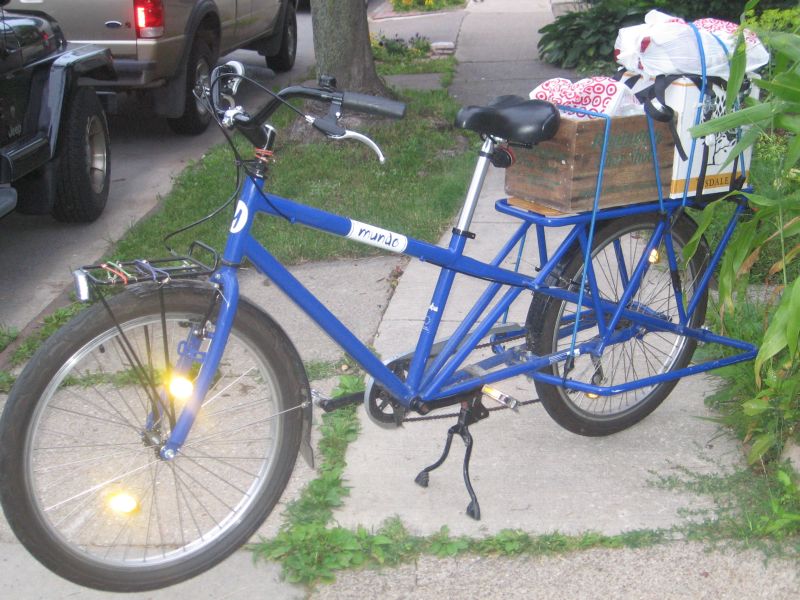
Things That Can Be Carried On A Bike (#49)

A case of Cabernet Sauvignon.
Ten pounds of dog food.
Two new t-shirts.
A canister of shaving cream.
A bag of trail mix.
A wooden box containing, among other things, a bottle of water, an extra shirt, 2 wrenches, a pair of pliers, a screwdriver, a roll of duct tape, a u-lock, a cable lock, extra bungee chords.

>Things That Can Be Carried On A Bike (#49)

>A case of Cabernet Sauvignon.
Ten pounds of dog food.
Two new t-shirts.
A canister of shaving cream.
A bag of trail mix.
A wooden box containing, among other things, a bottle of water, an extra shirt, 2 wrenches, a pair of pliers, a screwdriver, a roll of duct tape, a u-lock, a cable lock, extra bungee chords.

Prophetic or Fallacious?

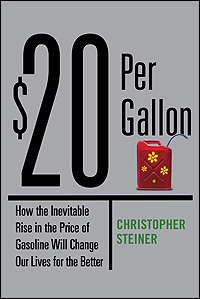
Tonight while I ate dinner I listened to an interview of the author of this book; it was on NPR. I have to say he was (is) pretty compelling in what he says. I find it interesting in that he says while there will be growing pains it will ultimately be good for our country to have gasoline more expensive than we can afford. Below is a short video interview with the author, and after that a printed one that I copied from Amazon’s web site. I’d be interested to hear if anyone has read this book, and if so, what they thought.


The following interview is cut-and paste from
this page at Amazon’s website.

Gas prices are going up again this summer, but are you really suggesting prices might rise to $20 a gallon?

That figure lies far ahead in the future; it’s hardly an imminent thing. But most people don’t require much convincing to know that $2 gas isn’t sustainable for the long term. Oil is a finite resource that the whole world demands–a world that grows more gasoline consumers every day. It’s important to understand that this book isn’t about oil statistics, it’s about our lives and the ways in which we live will change.

What do you hope readers will gain from reading your book?

Readers should gain an appreciation for the kind of change that lies behind the growing price of gas. Weaning ourselves from gasoline isn’t a scary thing, it’s an exciting thing. We’re talking about cleaner environments, more walkable lives, better public transportation and more vibrant cities.

What are some of the surprising ways you think rising gas prices will change our everyday lives?

I don’t think people realize how close our airline industry is to an all-out collapse. The book details a massive airline extinction at $8 per gallon, and in fact, serious change could take place even before then. It’s certainly not something that should be celebrated, but the collapse of that industry will open the door to new ones, such as widespread high-speed trains in America, a phenomenon that won’t take serious root until plane tickets become luxuries rather than conveniences. Beyond the airlines, I think people might be surprised to think that their future may not include Wal-Mart, and that their food world may condense, ruling out things such as sushi, but introducing things such as local organic fruit, vegetables and meat.

Is this pure speculation and fantasy or what kind of research did you do?

I consulted experts in a bevy of industries throughout the whole book, so this is not a random exercise, far from it. That said, it can be hard to forecast exactly at what gas price each change will happen. There are many unforeseen factors that can accelerate or forestall a certain change, such as government involvement in building high-speed train networks. If the government funds trains aggressively, change will be effected quicker, obviously. But I do feel that all of the changes represented in the book will happen eventually, whether they take place at gas prices of $10 per gallon or $12 per gallon.

So how scared should we be of the changes to come?

There is little to be scared of. The rising price of gas will unlock countless doors to innovation, opportunity and change.

Why does your book’s subtitle say rising gas prices will change our lives “for the better”? How so?

We’ve grown used to engorging ourselves on the back of cheap oil and it has lead to all manners of problems. As the price of gas goes up, we’ll live closer to work, school, eat healthier foods and even be skinnier and safer. The book profiles research that connects cheap oil to America’s obesity rate and to the daunting numbers of people that die on our roadways. As the price of gas goes up to, say, $6, we’ll save more than $30 billion on obesity-related diseases, 10,000 fewer people will die in car crashes and thousands of people will be spared heart attack deaths related to air pollution. Those kinds of effects will only be magnified as the price of gas rises further. And that’s just a sampling of the benefits.

In what ways will rising gas prices improve our economy and job market?

America has lost much of its manufacturing mojo during the last 20 years. A green revolution, fueled by a search for alternative energies and technologies, could change that. Not only will there be need to produce things such as solar panels, electric cars, and new city infrastructure, but the power of globalization will be blunted by higher gasoline prices. The advantages of, say, making a computer in China decrease as the cost of fuel increases and the cost of transporting things all over the earth rises-that will lead to manufacturing jobs returning here, to home soil.

In what ways will the rising cost of gasoline boost innovation?

The innovation game is one that many people anticipate as oil’s grip on the world ebbs. New technologies will be needed in all arenas that oil touches, including cars, trains, our homes, the plastic we use and the roads we drive on-and those are just a few examples. The opportunities for inventors in a world with less oil will be prolific.

What kind of places did you visit for your research and why was it necessary to visit them?

Good books need good stories, and it’s hard to tell a good story from just talking to people over the phone, so I got out there and did things. I worked on an electric UPS truck in Manhattan for a day; I spent some time on a fishing boat hauling in Asian carp; I descended into one of New York’s new train tunnels currently under construction; I rode our nation’s fastest train to meet the Amtrak CEO in Washington. I’m not anointing my book or my stories as good–that’s up to the reader–but creating an enriching storyline within a nonfiction book was my goal, so I’m hopeful I did that.

So now that we know this, what should we do in the here and now?

Preparing for the future isn’t about buying the latest gadgets or the car with the best mileage. Those things help, of course, but they’re mere pings in a coming cacophony. People who will do the least amount of adjusting in the future are those who already live more sustainable lives. Where you live largely determines how you live. Buying solar panels for a house at the far edge of the suburbs, for instance, won’t alter how the future affects you. Moving to a walkable neighborhood where groceries, your kids’ schools, your office or a train are all within several blocks-that’s a change you’ll profit from and a place where the future will be kinder.

>Prophetic or Fallacious?

>Tonight while I ate dinner I listened to an interview of the author of this book; it was on NPR. I have to say he was (is) pretty compelling in what he says. I find it interesting in that he says while there will be growing pains it will ultimately be good for our country to have gasoline more expensive than we can afford. Below is a short video interview with the author, and after that a printed one that I copied from Amazon’s web site. I’d be interested to hear if anyone has read this book, and if so, what they thought.


The following interview is cut-and paste from
this page at Amazon’s website.

Gas prices are going up again this summer, but are you really suggesting prices might rise to $20 a gallon?

That figure lies far ahead in the future; it’s hardly an imminent thing. But most people don’t require much convincing to know that $2 gas isn’t sustainable for the long term. Oil is a finite resource that the whole world demands–a world that grows more gasoline consumers every day. It’s important to understand that this book isn’t about oil statistics, it’s about our lives and the ways in which we live will change.

What do you hope readers will gain from reading your book?

Readers should gain an appreciation for the kind of change that lies behind the growing price of gas. Weaning ourselves from gasoline isn’t a scary thing, it’s an exciting thing. We’re talking about cleaner environments, more walkable lives, better public transportation and more vibrant cities.

What are some of the surprising ways you think rising gas prices will change our everyday lives?

I don’t think people realize how close our airline industry is to an all-out collapse. The book details a massive airline extinction at $8 per gallon, and in fact, serious change could take place even before then. It’s certainly not something that should be celebrated, but the collapse of that industry will open the door to new ones, such as widespread high-speed trains in America, a phenomenon that won’t take serious root until plane tickets become luxuries rather than conveniences. Beyond the airlines, I think people might be surprised to think that their future may not include Wal-Mart, and that their food world may condense, ruling out things such as sushi, but introducing things such as local organic fruit, vegetables and meat.

Is this pure speculation and fantasy or what kind of research did you do?

I consulted experts in a bevy of industries throughout the whole book, so this is not a random exercise, far from it. That said, it can be hard to forecast exactly at what gas price each change will happen. There are many unforeseen factors that can accelerate or forestall a certain change, such as government involvement in building high-speed train networks. If the government funds trains aggressively, change will be effected quicker, obviously. But I do feel that all of the changes represented in the book will happen eventually, whether they take place at gas prices of $10 per gallon or $12 per gallon.

So how scared should we be of the changes to come?

There is little to be scared of. The rising price of gas will unlock countless doors to innovation, opportunity and change.

Why does your book’s subtitle say rising gas prices will change our lives “for the better”? How so?

We’ve grown used to engorging ourselves on the back of cheap oil and it has lead to all manners of problems. As the price of gas goes up, we’ll live closer to work, school, eat healthier foods and even be skinnier and safer. The book profiles research that connects cheap oil to America’s obesity rate and to the daunting numbers of people that die on our roadways. As the price of gas goes up to, say, $6, we’ll save more than $30 billion on obesity-related diseases, 10,000 fewer people will die in car crashes and thousands of people will be spared heart attack deaths related to air pollution. Those kinds of effects will only be magnified as the price of gas rises further. And that’s just a sampling of the benefits.

In what ways will rising gas prices improve our economy and job market?

America has lost much of its manufacturing mojo during the last 20 years. A green revolution, fueled by a search for alternative energies and technologies, could change that. Not only will there be need to produce things such as solar panels, electric cars, and new city infrastructure, but the power of globalization will be blunted by higher gasoline prices. The advantages of, say, making a computer in China decrease as the cost of fuel increases and the cost of transporting things all over the earth rises-that will lead to manufacturing jobs returning here, to home soil.

In what ways will the rising cost of gasoline boost innovation?

The innovation game is one that many people anticipate as oil’s grip on the world ebbs. New technologies will be needed in all arenas that oil touches, including cars, trains, our homes, the plastic we use and the roads we drive on-and those are just a few examples. The opportunities for inventors in a world with less oil will be prolific.

What kind of places did you visit for your research and why was it necessary to visit them?

Good books need good stories, and it’s hard to tell a good story from just talking to people over the phone, so I got out there and did things. I worked on an electric UPS truck in Manhattan for a day; I spent some time on a fishing boat hauling in Asian carp; I descended into one of New York’s new train tunnels currently under construction; I rode our nation’s fastest train to meet the Amtrak CEO in Washington. I’m not anointing my book or my stories as good–that’s up to the reader–but creating an enriching storyline within a nonfiction book was my goal, so I’m hopeful I did that.

So now that we know this, what should we do in the here and now?

Preparing for the future isn’t about buying the latest gadgets or the car with the best mileage. Those things help, of course, but they’re mere pings in a coming cacophony. People who will do the least amount of adjusting in the future are those who already live more sustainable lives. Where you live largely determines how you live. Buying solar panels for a house at the far edge of the suburbs, for instance, won’t alter how the future affects you. Moving to a walkable neighborhood where groceries, your kids’ schools, your office or a train are all within several blocks-that’s a change you’ll profit from and a place where the future will be kinder.

Beans, Greens, and Other Good Things

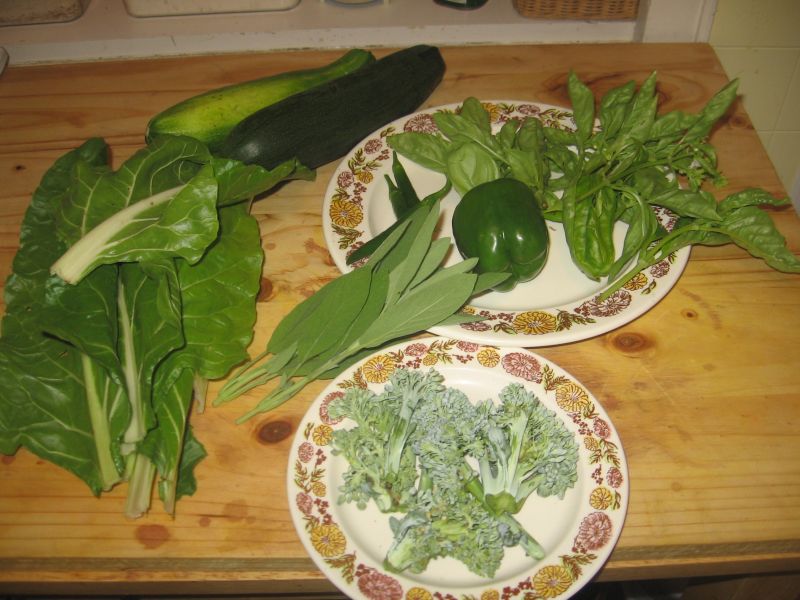
Well, despite the somewhat chilly summer (and untamed weeds) the garden is producing fairly well. The first photo is what I picked today in the front yard (tomatoes are still green, though). An is often the case I made a one-pot meal…with vegetables this fresh it would be more difficult not to make it delicious. I also added (not from my garden) onion, garlic, a small piece of kielbasa, a diced sweet potato, a couple sun-dried tomato, a can of cannellini beans, and a couple cans of chicken broth (in stead of water). This is a basic stew recipe (or ragu or ragout)…it can be made with almost anything you have at hand. It goes something like this: Sweat the onions and garlic along with any peppers, sausage (if you are including it…because this can easily be entirely vegetarian/vegan) and hard vegetables (such as carrots or potatoes) for 5 or 10 minutes, then add any soft and/or leafy vegetables; sweat them for another minute or so, then add broth or water along with any seasonings (I used basil and sage from the garden…normally I’d add dried pepper flakes but added some still-green cayenne peppers from the garden). Bring it to a boil, lower it to a simmer, and cook it until the vegetables are cooked and it’s flavorful. Depending on your mood, it can be served over rice (as I did tonight) or tossed with pasta. Variations of ingredients and flavorings are seemingly endless: Add a little ginger and soy for an Asian slant, curry for Near Eat, and cumin, allspice, and cinnamon for Middle Easter flavors…you get the picture. Leftovers taste even better the next day; if you make an extra-large batch (as I sometimes do) it freezes well (before mixed with rice or pasta).
>Beans, Greens, and Other Good Things

>Well, despite the somewhat chilly summer (and untamed weeds) the garden is producing fairly well. The first photo is what I picked today in the front yard (tomatoes are still green, though). An is often the case I made a one-pot meal…with vegetables this fresh it would be more difficult not to make it delicious. I also added (not from my garden) onion, garlic, a small piece of kielbasa, a diced sweet potato, a couple sun-dried tomato, a can of cannellini beans, and a couple cans of chicken broth (in stead of water). This is a basic stew recipe (or ragu or ragout)…it can be made with almost anything you have at hand. It goes something like this: Sweat the onions and garlic along with any peppers, sausage (if you are including it…because this can easily be entirely vegetarian/vegan) and hard vegetables (such as carrots or potatoes) for 5 or 10 minutes, then add any soft and/or leafy vegetables; sweat them for another minute or so, then add broth or water along with any seasonings (I used basil and sage from the garden…normally I’d add dried pepper flakes but added some still-green cayenne peppers from the garden). Bring it to a boil, lower it to a simmer, and cook it until the vegetables are cooked and it’s flavorful. Depending on your mood, it can be served over rice (as I did tonight) or tossed with pasta. Variations of ingredients and flavorings are seemingly endless: Add a little ginger and soy for an Asian slant, curry for Near Eat, and cumin, allspice, and cinnamon for Middle Easter flavors…you get the picture. Leftovers taste even better the next day; if you make an extra-large batch (as I sometimes do) it freezes well (before mixed with rice or pasta).

Sunday Morning Walk

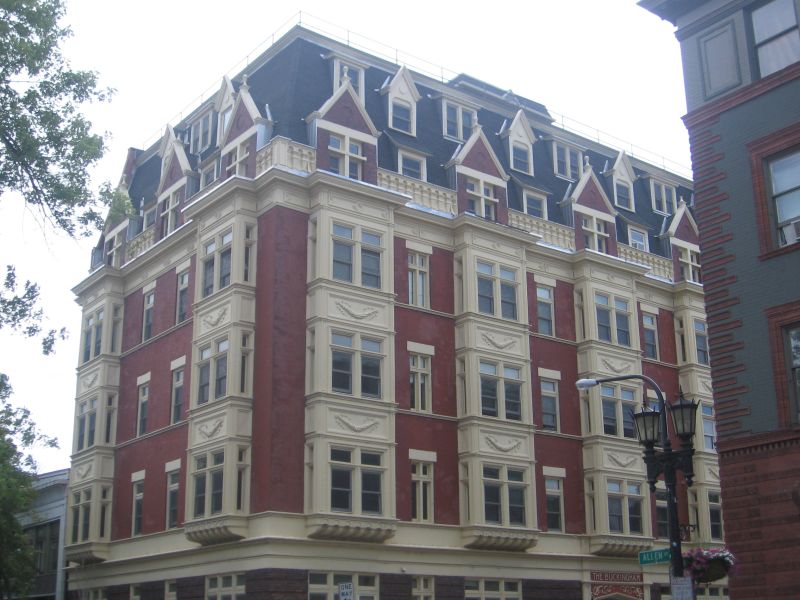
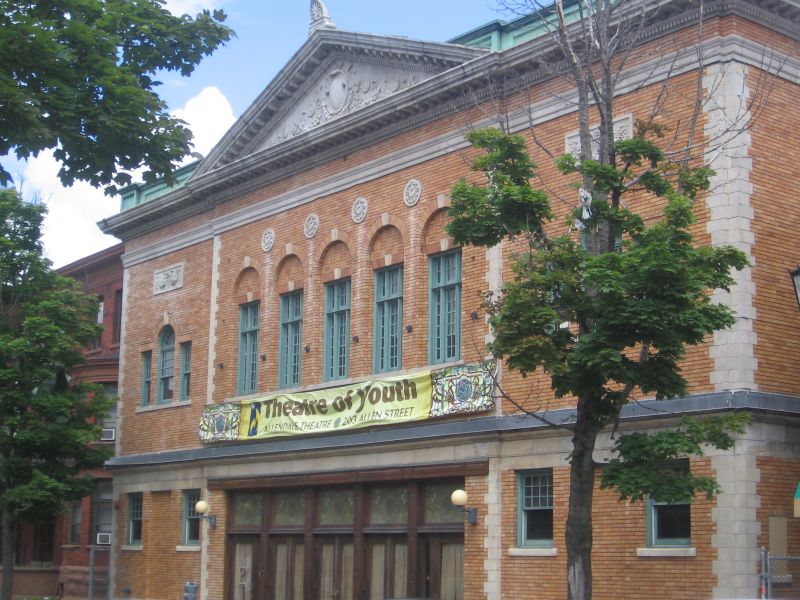
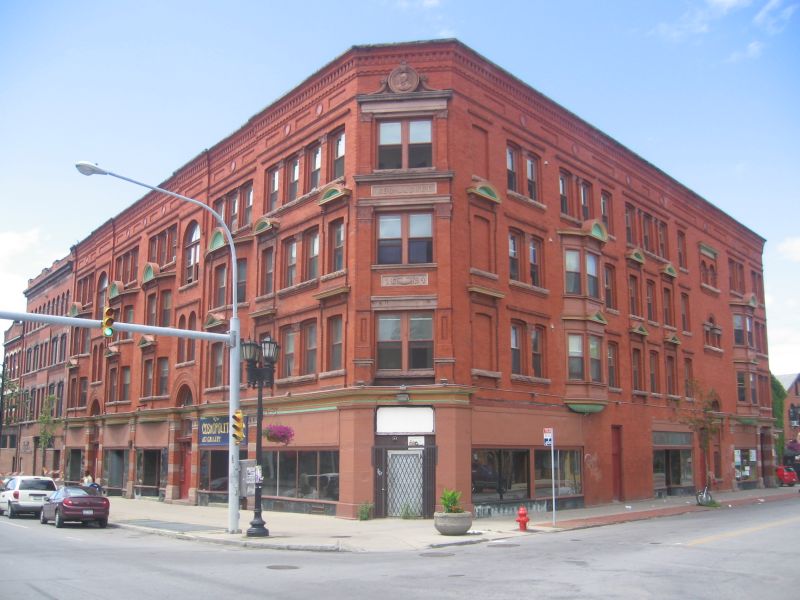
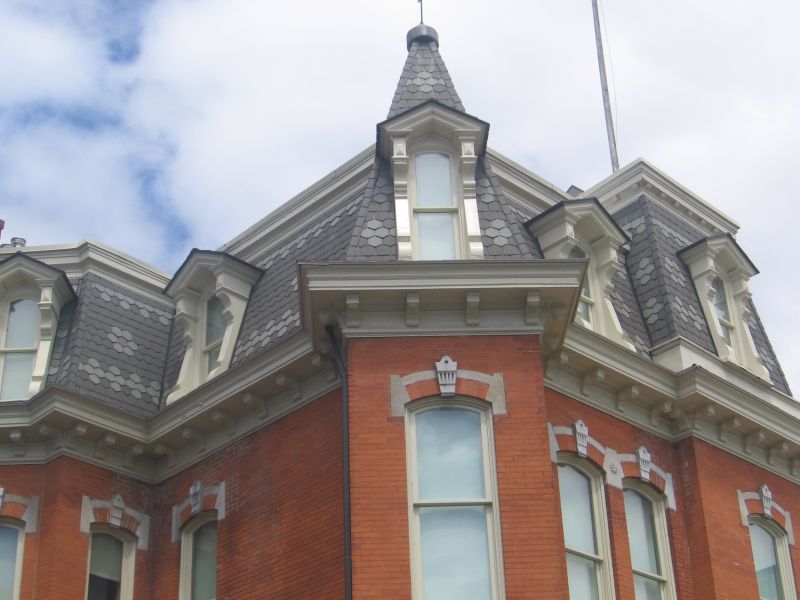
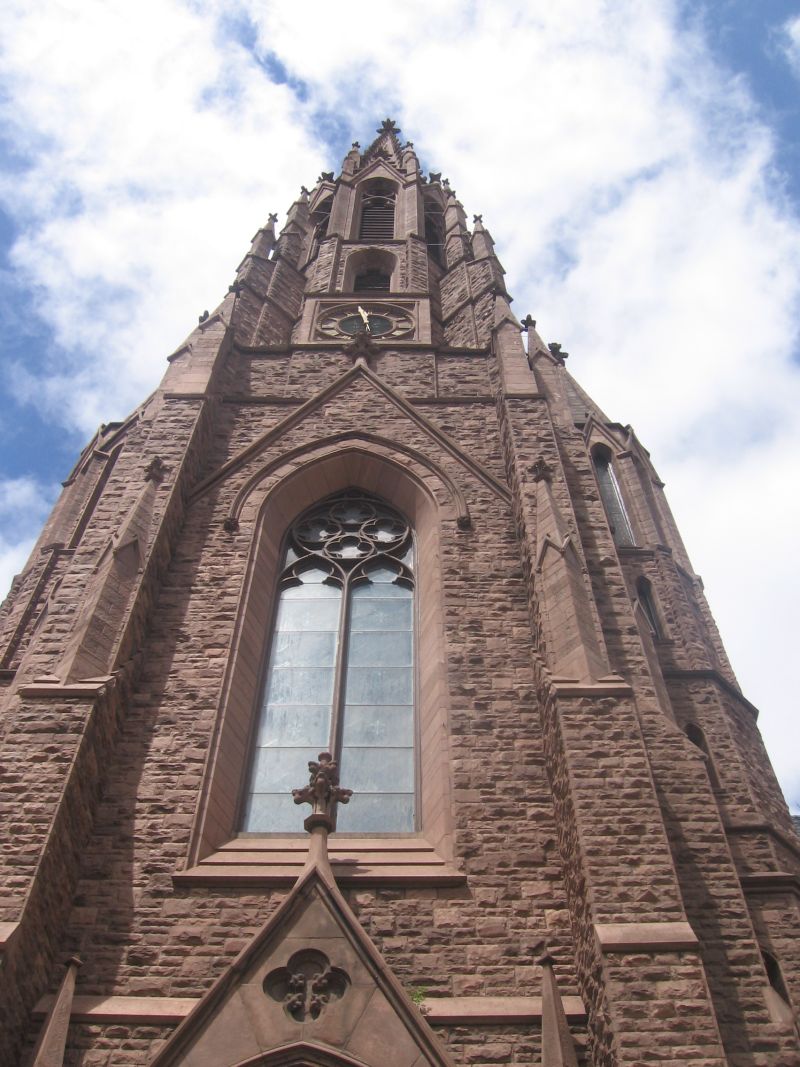
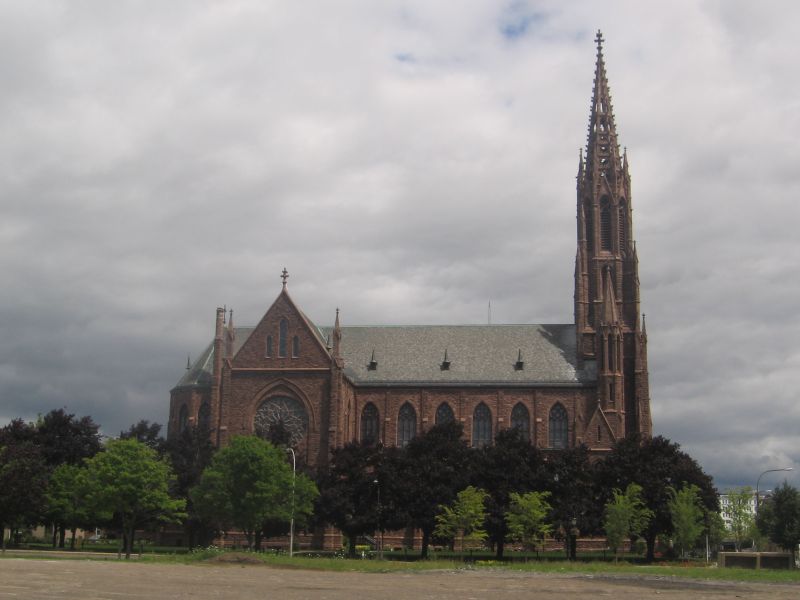
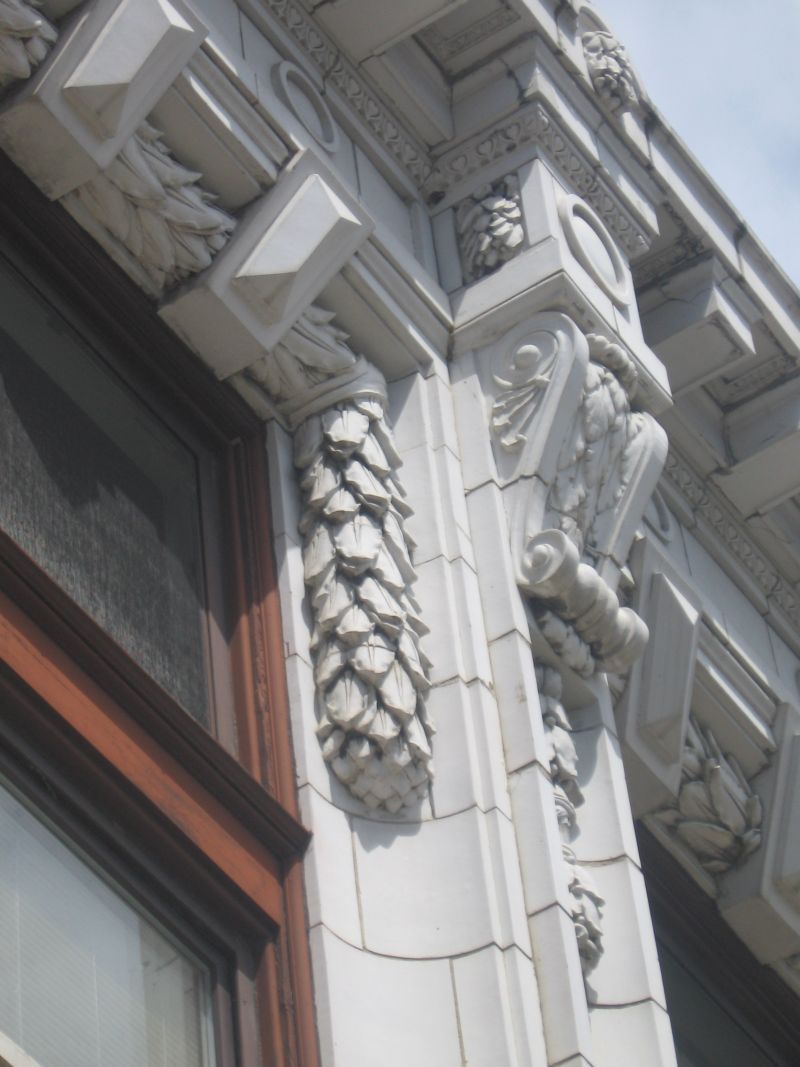
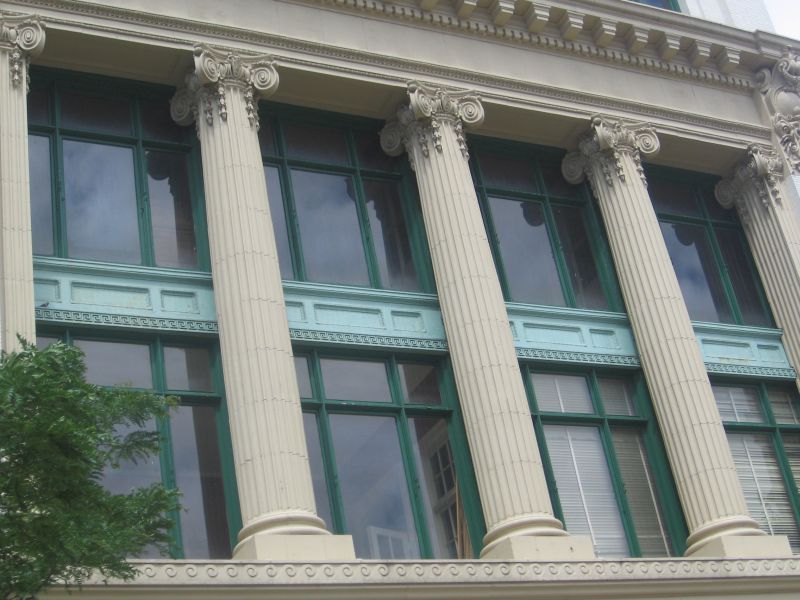
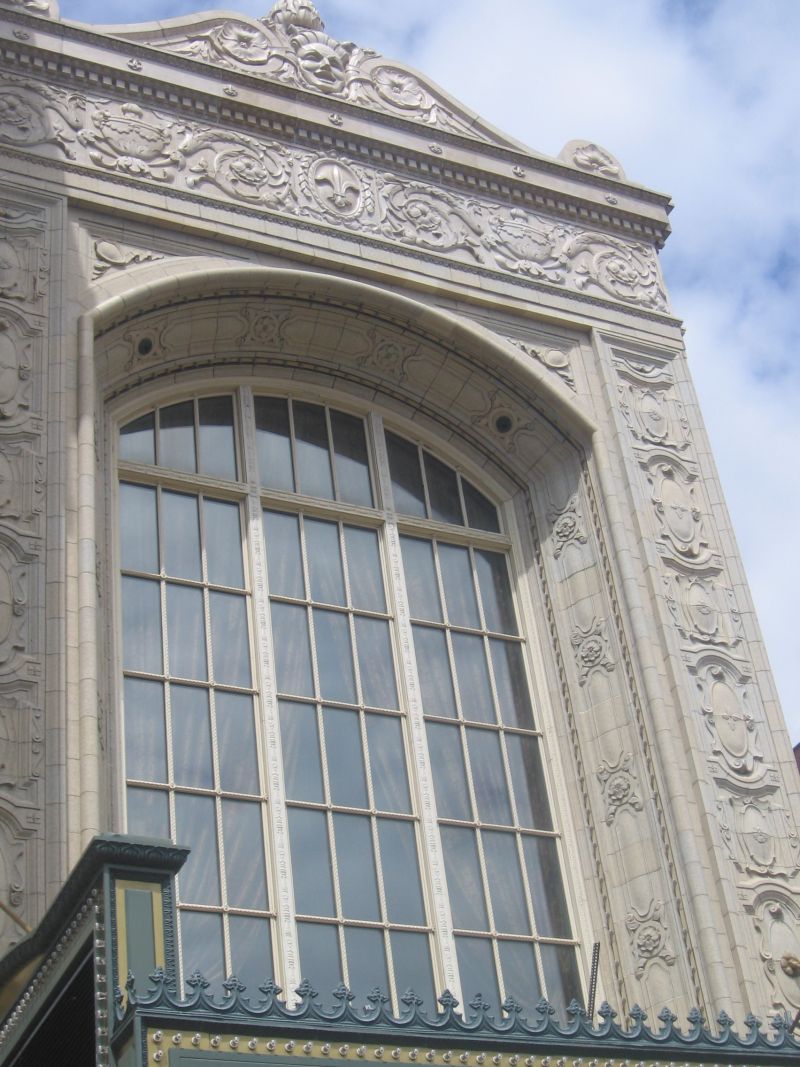
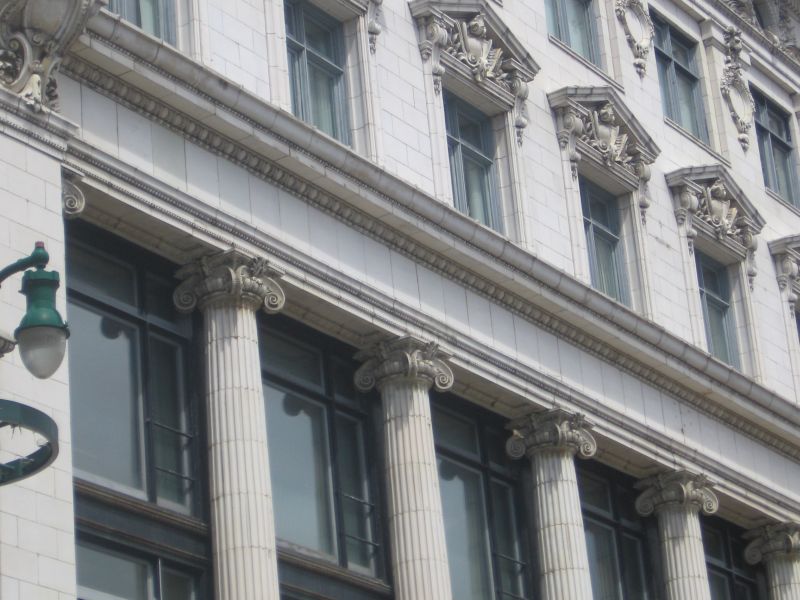
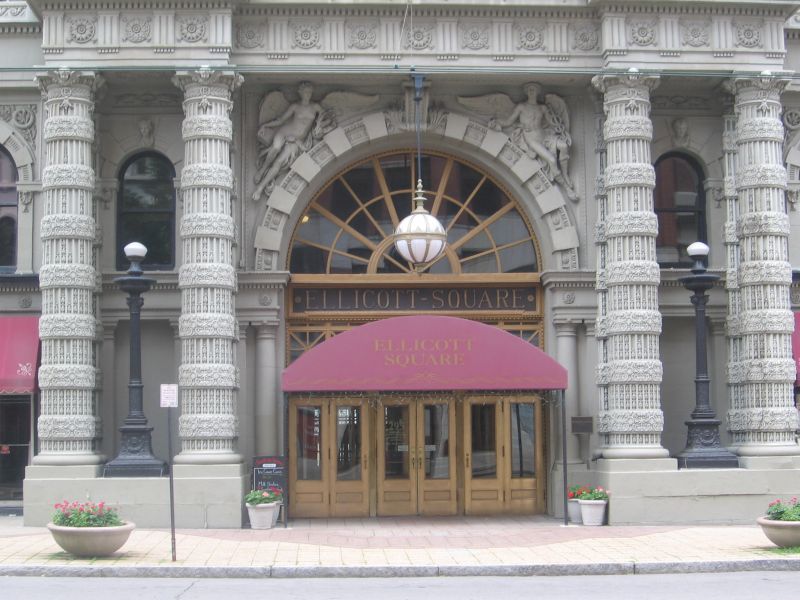
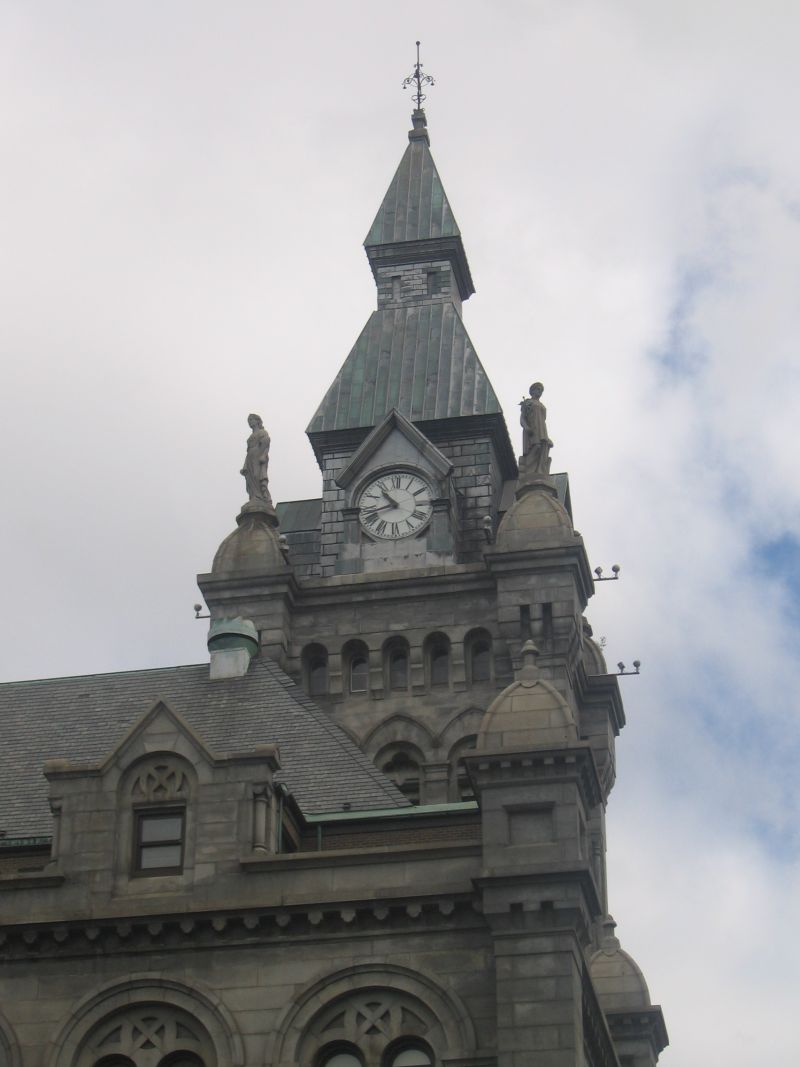
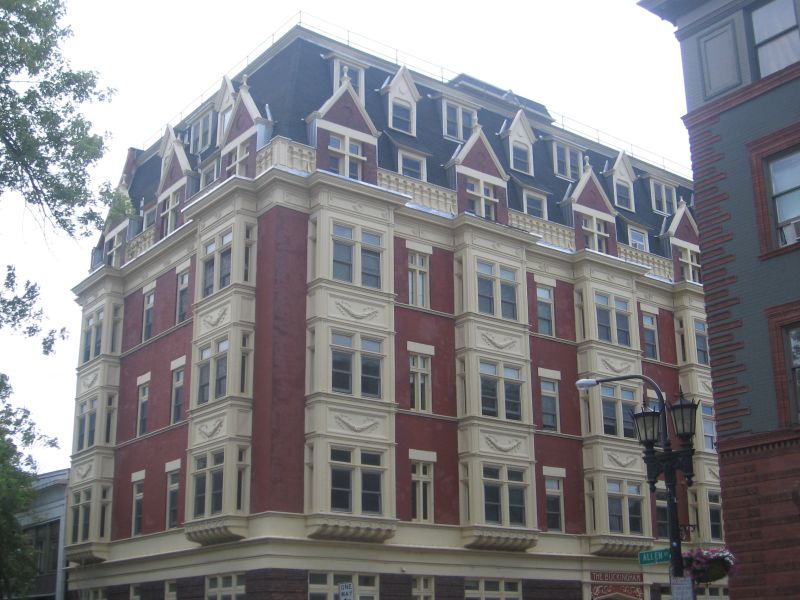
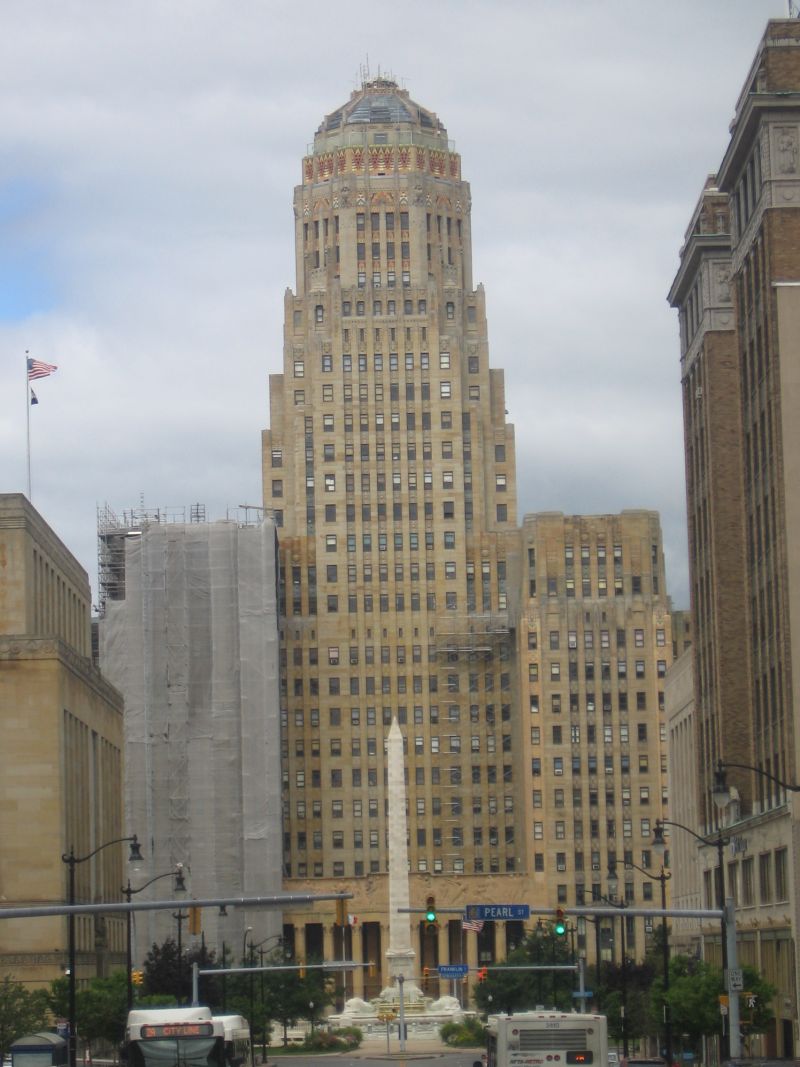
Sometimes I find a walk is better than a bike ride. If you can see more on a bike than in a car you can see even more when you’re using just your feet. Anyhow, I went for a meditative Sunday walk this morning, and one of the things that I love to do when I walk is to look at architecture…I never tire of it. Buffalo is a shrinking city, yes, and a city smack dab in the middle of the rust belt, but it is a city that always has (and continues to have) a rich arts and cultural heritage…and one of my favorite things is the architecture (to visit the Buffalo Architecture website click here). I love walking around like a tourist in my own city and being in awe of it’s beauty…I went on such a walk this morning and thought I’d share some of what I saw. To see detail, click on any image for a much larger view.


>Sunday Morning Walk

>Sometimes I find a walk is better than a bike ride. If you can see more on a bike than in a car you can see even more when you’re using just your feet. Anyhow, I went for a meditative Sunday walk this morning, and one of the things that I love to do when I walk is to look at architecture…I never tire of it. Buffalo is a shrinking city, yes, and a city smack dab in the middle of the rust belt, but it is a city that always has (and continues to have) a rich arts and cultural heritage…and one of my favorite things is the architecture (to visit the Buffalo Architecture website click here). I love walking around like a tourist in my own city and being in awe of it’s beauty…I went on such a walk this morning and thought I’d share some of what I saw. To see detail, click on any image for a much larger view.